The Mountain Kingdom

About Pakistan

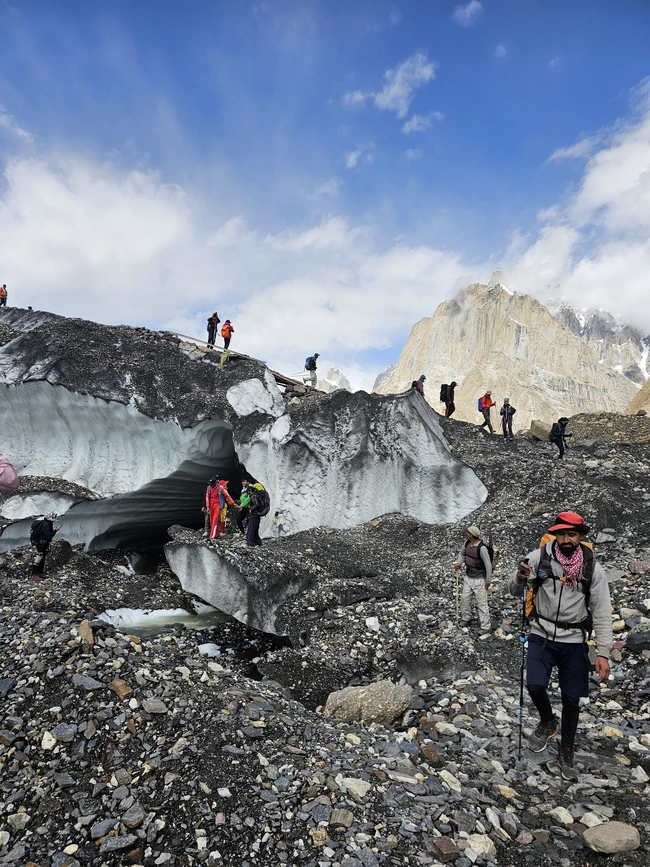
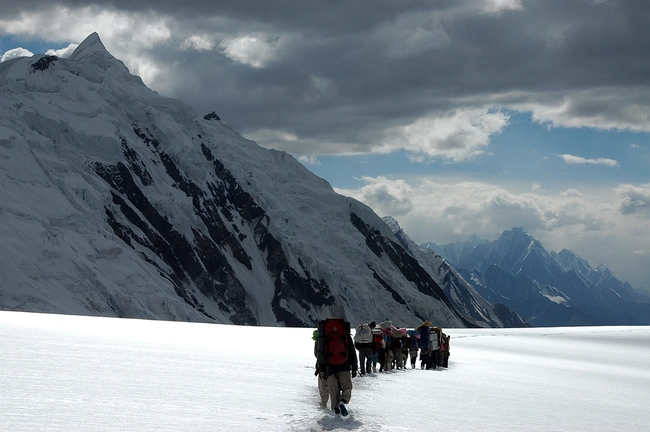
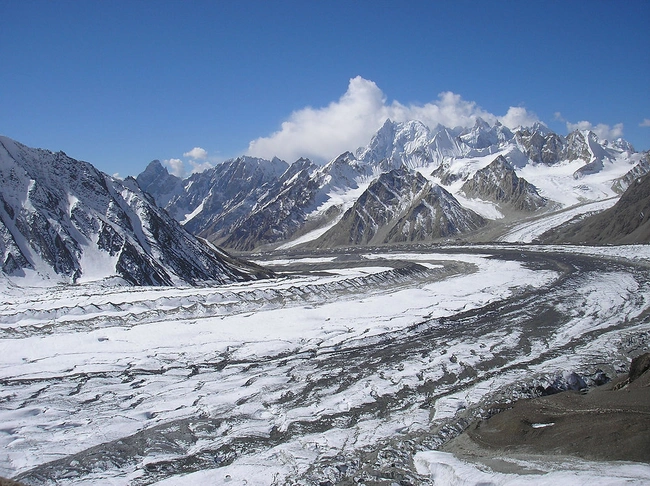
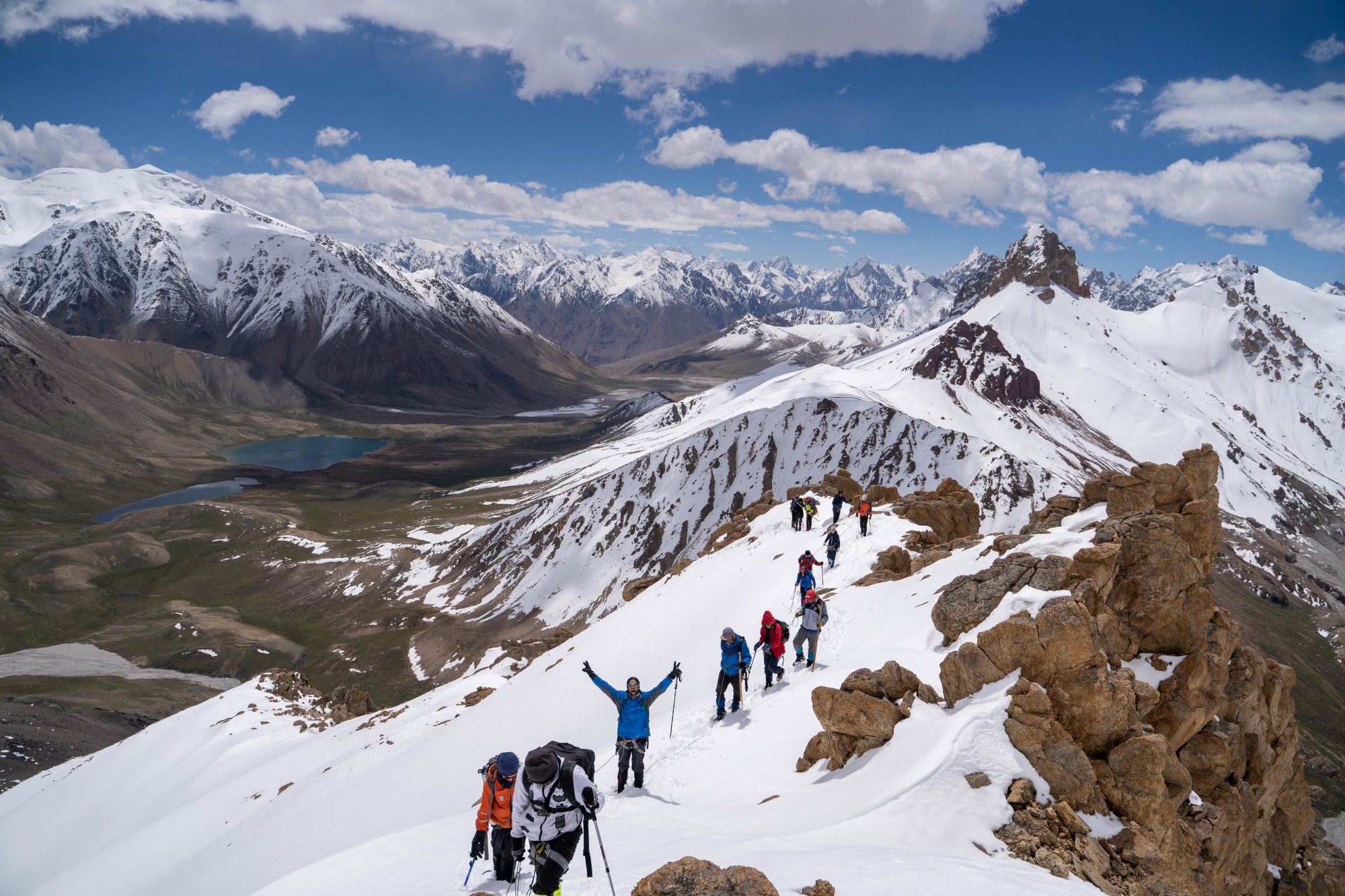
Pakistan is home to some of the world's most spectacular mountain landscapes. The country hosts five of the fourteen peaks above 8,000 metres, including K2, the second-highest mountain on Earth, along with the great ranges of the Karakoram Range, Hindu Kush, and Himalayas that stretch across the north. Pakistan is the only country that hosts these three highest mountain ranges in the world.

From the formidable K2, often called the Savage Mountain, to the dramatic slopes of Nanga Parbat, known as the Killer Mountain, these giants represent some of the greatest challenges in mountaineering. Their towering walls, unpredictable weather, and remote environments continue to test even the most experienced climbers

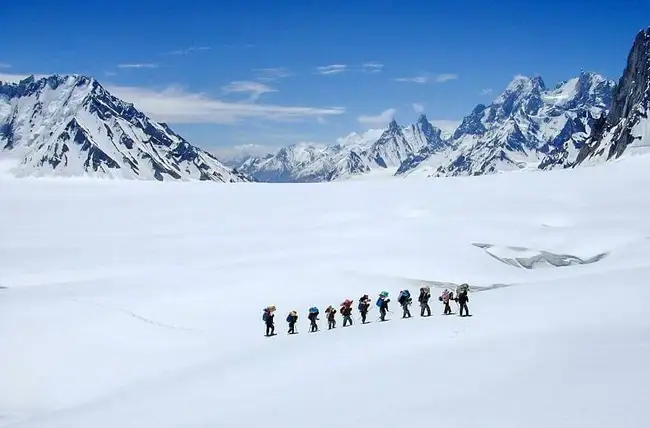
These mountains support thousands of livelihoods through mountaineering, trekking, and adventure tourism. Pakistan's mountain guides, porters, and high-altitude workers are among the most experienced in the world, having supported countless expeditions across the great ranges.
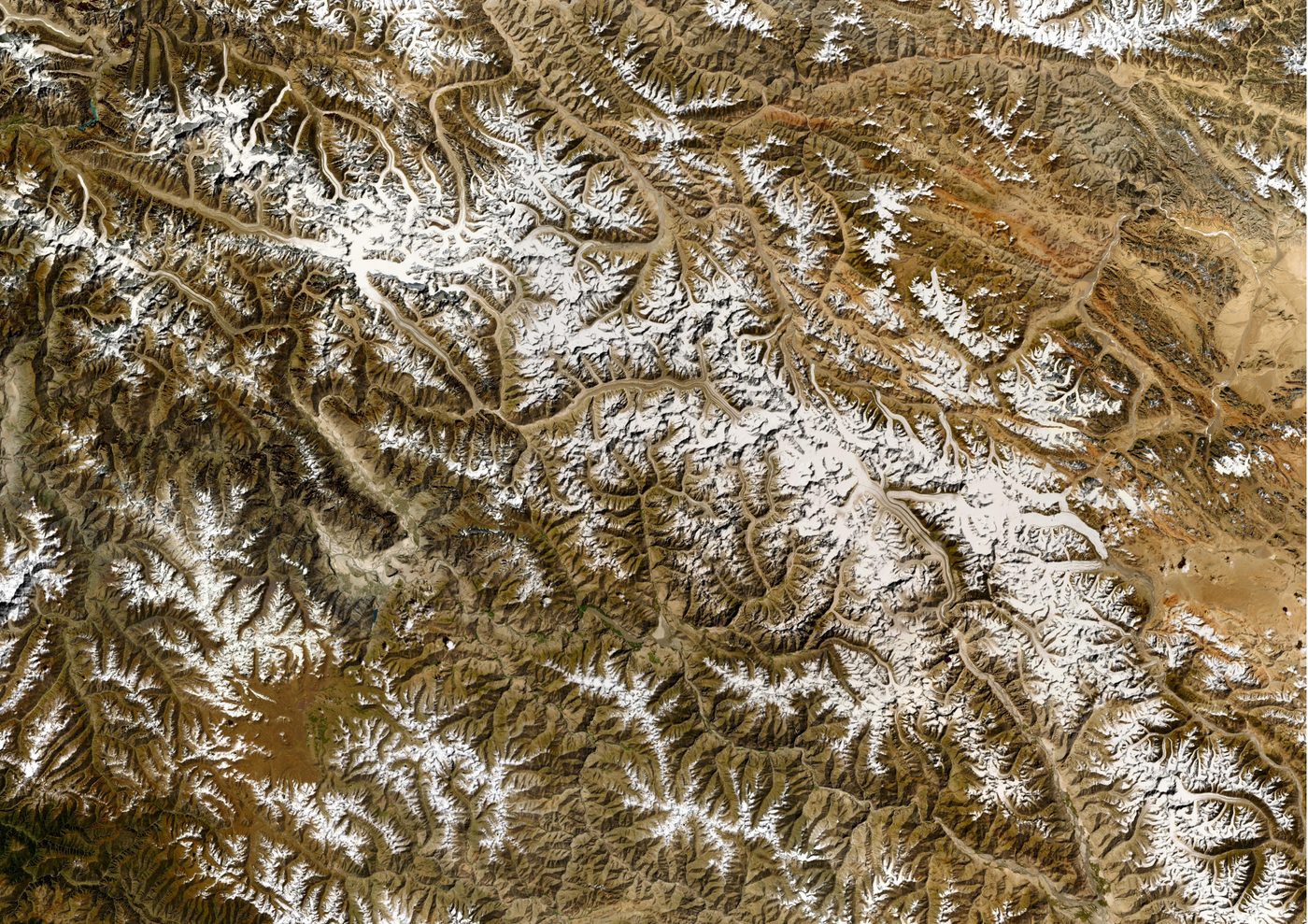
Aerial satellite view of the Karakoram mountain range, Pakistan
8,000m Peaks

Pakistan's Great Mountains

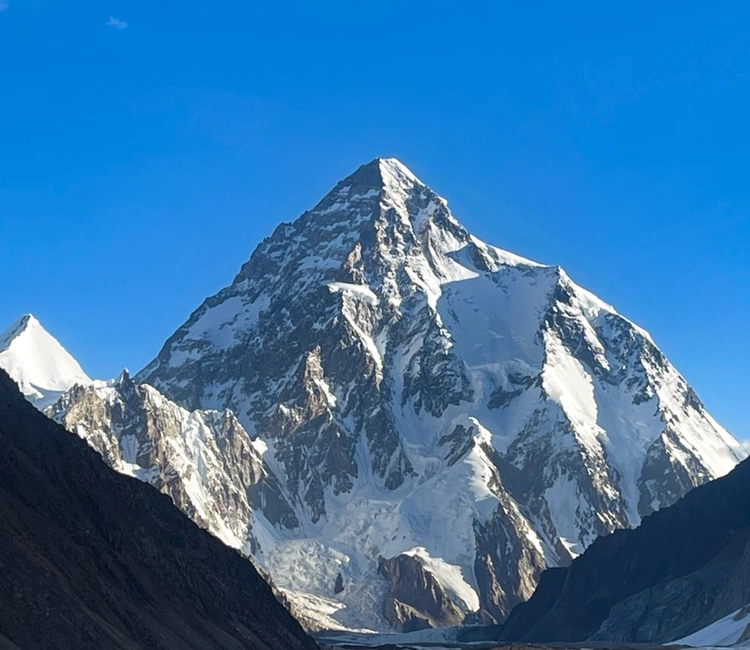
K2

K2

8,611m · Second Highest in the World

The world’s second-highest mountain and widely regarded as the most challenging of all 8,000-metre peaks. First summited on 31 July 1954 by an Italian expedition led by Ardito Desio, with climbers Achille Compagnoni and Lino Lacedelli reaching the summit.
Often called the “Savage Mountain,” K2 is notorious for its steep faces, extreme weather, and high fatality rate, making it one of the ultimate tests in high-altitude mountaineering.

K2

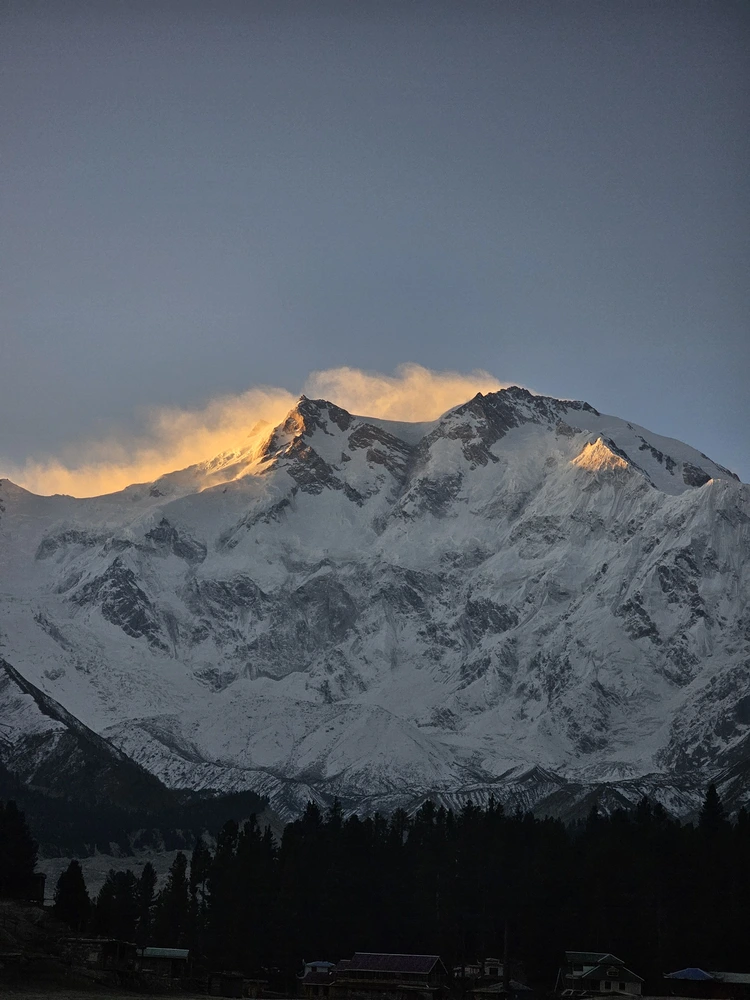
Nanga Parbat

8,126m · Ninth Highest in the World

The westernmost giant of the Himalayas. First climbed solo by Hermann Buhl in 1953. Known as the “Killer Mountain,” Nanga Parbat earned its reputation due to the many early expeditions that ended in tragedy before its first successful ascent

K2

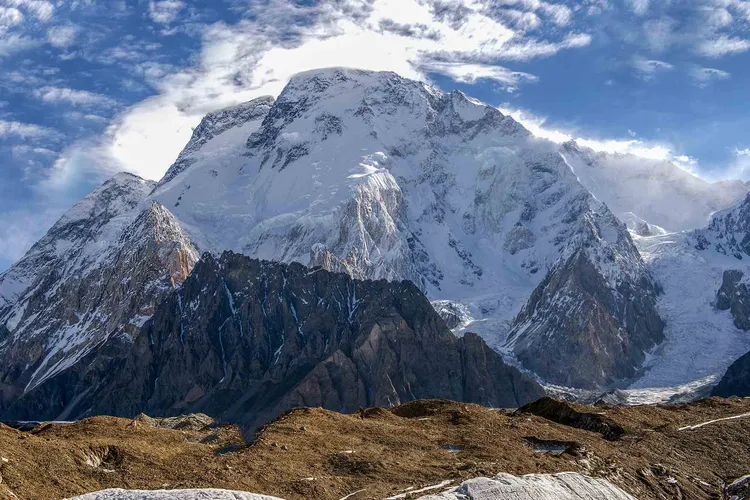
Broad Peak

8,051m · Twelfth Highest in the World

First climbed in 1957 by an Austrian expedition including Hermann Buhl and Kurt Diemberger. Despite being considered one of the more accessible 8,000-metre peaks, its long summit ridge and harsh weather demand serious endurance and skill.

K2

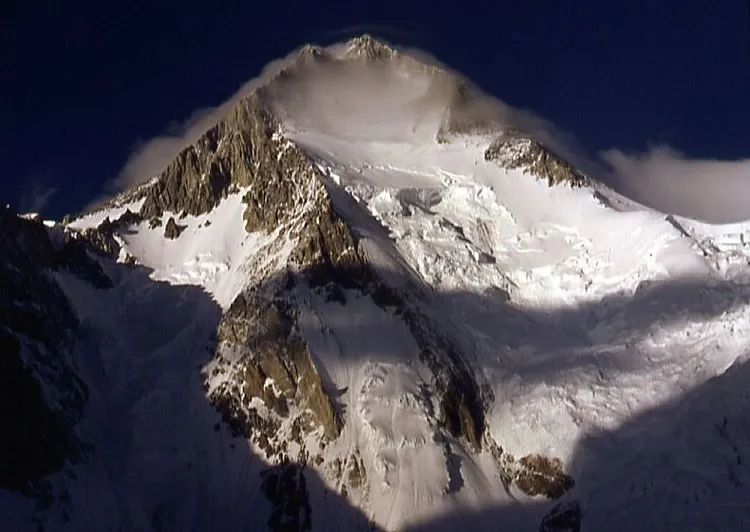
Gasherbrum I

8,080m · Eleventh Highest in the World

First marked as K5 and also known as Hidden Peak. First climbed in 1958 by Nicholas Clinch's American expedition. The name “Gasherbrum” is believed to originate from the Balti words meaning “beautiful mountain.” Gasherbrum I is the highest peak of the Gasherbrum massif.

K2

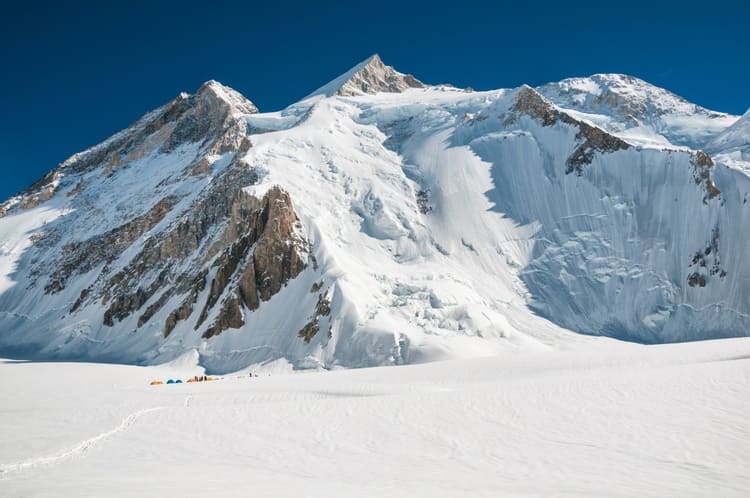
Gasherbrum II

8,034m · Thirteenth Highest in the World

The most accessible of Pakistan's 8,000-metre peaks. First climbed in 1956 by Fritz Moravec. Despite its reputation as a “beginner’s” 8000er, Gasherbrum II remains a formidable high-altitude challenge surrounded by the vast ice fields of the Karakoram.

Passes and Trekking Routes

Glaciers & Passes

Major Glaciers

Baltoro Glacier

Baltoro Glacier

One of the world's longest glaciers outside the polar regions, at 63 km. The Baltoro is the gateway to K2, Broad Peak, and the Gasherbrums.

Biafo Glacier

Biafo Glacier

67 km long, the Biafo connects the Karakoram highway corridor with the remote Hispar valley, forming one of the world's great glacier traverses.

Hispar Glacier

Hispar Glacier

Linked with Biafo via the Snow Lake plateau, the Hispar Glacier descent is one of Pakistan's most spectacular high-altitude journeys.

Siachen Glacier

Siachen Glacier

The world's second-longest non-polar glacier at 76 km, the Siachen drains the eastern Karakoram in a disputed military zone.

Mountaineering History

Mountaineering History of Pakistan

Pakistan sits at the confluence of three of the world's greatest mountain ranges — the Karakoram, Himalaya, and Hindu Kush. It is home to five of the fourteen 8,000-metre peaks on Earth. The mountaineering history of this region spans more than a century of exploration, tragedy, triumph, and transformation.

5
8,000m Peaks
100+
Years of Expeditions
1977
First Pakistani K2 summit
1953
Nanga Parbat First Ascent

The Exploration Era

1856 — 1939

The first serious engagement with Pakistan's mountains came from European explorers and surveyors. In 1856, Great Trigonometrical Survey officer T.G. Montgomerie first sighted and designated K2 from a survey station 210km away — the name K2 derives from his notation for "Karakoram Peak 2."

In 1902, Oscar Eckenstein and Aleister Crowley led the first expedition to attempt K2, reaching around 6,525m. In 1909, Luigi Amedeo di Savoia — the Duke of Abruzzi — led a prestigious Italian expedition that mapped the southeastern ridge, which became known as the Abruzzi Spur and remains the standard route to this day.

The 1930s brought German attention to Nanga Parbat, then one of the highest unclimbed mountains. A series of expeditions led by Willy Merkl in 1932 and 1934 ended in disaster — Merkl and ten others died in an infamous storm in 1934, one of the deadliest events in Himalayan history.

1856
K2 first sighted and designated by T.G. Montgomerie of the Great Trigonometrical Survey.
1892
Martin Conway leads first serious exploration of the Baltoro Glacier.
1902
Oscar Eckenstein and Aleister Crowley make first attempt on K2, reaching ~6,525m.
1909
Duke of Abruzzi maps the Abruzzi Spur on K2 — still the standard route today.
1932–34
German expeditions to Nanga Parbat under Willy Merkl. 1934 storm kills Merkl and 10 others.
One of the deadliest disasters in Himalayan history.
1938–39
American expeditions to K2 led by Charles Houston (1938) and Fritz Wiessner (1939). Wiessner reaches 8,385m without bottled oxygen.

The Golden Age of First Ascents

1950 — 1960

The decade from 1950–1960 saw all five of Pakistan's 8,000m peaks climbed for the first time — a remarkable concentration of first ascents in a single country during a single decade. Pakistani high-altitude porters and guides were present on every one of these expeditions, providing essential support at altitude. Their contributions were rarely acknowledged.

1950
Annapurna climbed — the world's first 8,000m summit. The race for Pakistan's peaks intensifies.
1953
Hermann Buhl makes the first ascent of Nanga Parbat (8,126m) on 3 July — solo, without bottled oxygen, after a 41-hour push from the final camp.
The most audacious solo summit in Himalayan history.
1954
Lino Lacedelli and Achille Compagnoni reach the summit of K2 (8,611m) on 31 July. Pakistani porter Amir Mehdi and Walter Bonatti carry oxygen to 8,100m in a pivotal act of support.
1956
Alfred Kauw leads first ascent of Gasherbrum II (8,035m) — Austrian expedition.
1957
Hermann Buhl, Kurt Diemberger, Marcus Schmuck and Fritz Wintersteller make the first ascent of Broad Peak (8,047m) — in lightweight alpine style.
1958
Peter Schoening and Andrew Kauffman make first ascent of Hidden Peak / Gasherbrum I (8,080m).
Hermann Buhl on Nanga Parbat, 1953

Buhl left the final camp alone on the evening of 2 July and reached the summit at 7pm on 3 July after 41 hours of continuous climbing. He spent the night standing on a tiny ledge at 8,000m without shelter, returning to camp the next day with severe frostbite. The ascent is considered one of the greatest achievements in the history of alpinism.

The Rise of Pakistani Climbers

1970 — 2010

As international expeditions returned to Pakistan's ranges through the 1970s and 1980s, Pakistani climbers began moving beyond the porter role. A new generation used their work on foreign expeditions as the training ground for their own climbing careers.

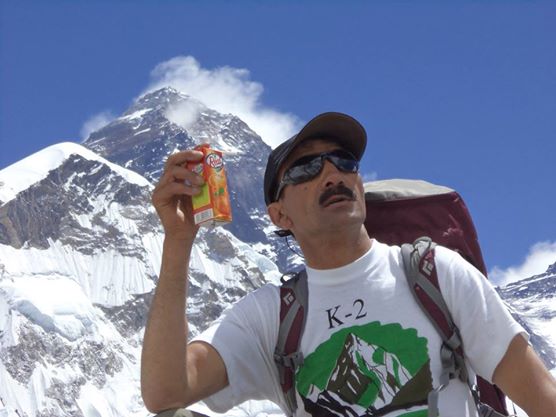
Ashraf Aman became the first Pakistani to summit K2 in 1977, as part of a Japanese expedition. Nazir Sabir became a house-hold name in the world of mountaineering especially in Japan after summiting K2 via the challenging west ridge in 1981. In 1982, Reinhold Messner invited Nazir Sabir and Col. Sher Khan to join him for a doublex8000m expedition, a rarity in those days

These summits in the 70s and 80s inspired a whole generation of climbers such as Rajab Shah, Meharban Shah, Little Karim, Rozy Ali, Ali Raza Sadpara, Hassan Sadpara, Qudrat Ali, Shaheen Baig, Aminullah Baig, Hassan Jan, Nisar Hussain Sadpara, Muhammad Ali Sadpara, Little Hussain, Muhammad, Fazal Ali and others. Pakistani climbers started to get the recognition that they deserved

1977
Ashraf Aman becomes the first Pakistani to summit K2, on a Japan-Pakistan joint expedition, 9 August.
Presidential Award for Pride of Performance.
1981
Nazir Sabir summits K2 via the West/South West Ridge with the Japanese team.
A landmark moment for Pakistani alpine recognition.
1982
Nazir Sabir and Sher Khan climb Gasherbrum II and Broad Peak with Reinhold Messner in one week — the fastest double 8,000m ascent at the time.
1985–88
Little Karim sets a world record on Gasherbrum II without supplementary oxygen. Serves as guide on dozens of expeditions, rescuing multiple climbers at extreme altitude.
1986
Deadliest season on K2 — 13 deaths. Pakistani guides and porters integral to rescue operations across the mountain.
Exposed the need for formal safety and welfare systems.
2000
Nazir Sabir becomes the first Pakistani to summit Everest, 17 May.
Ashraf AmanNazir SabirCol. Sher KhanLittle KarimRajab ShahMeharban ShahRozy AliAli Raza SadparaAminullah BaigShaheen BaigQudrat AliHassan SadparaMuhammad Ali SadparaNisar Hussain SadparaLittle HussainHassan Jan

The Modern Independent Era

2010 — Present

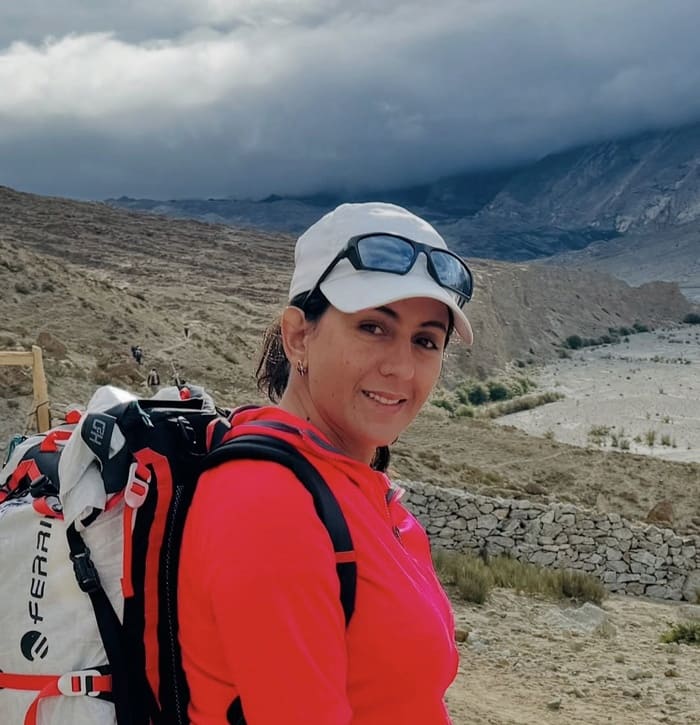
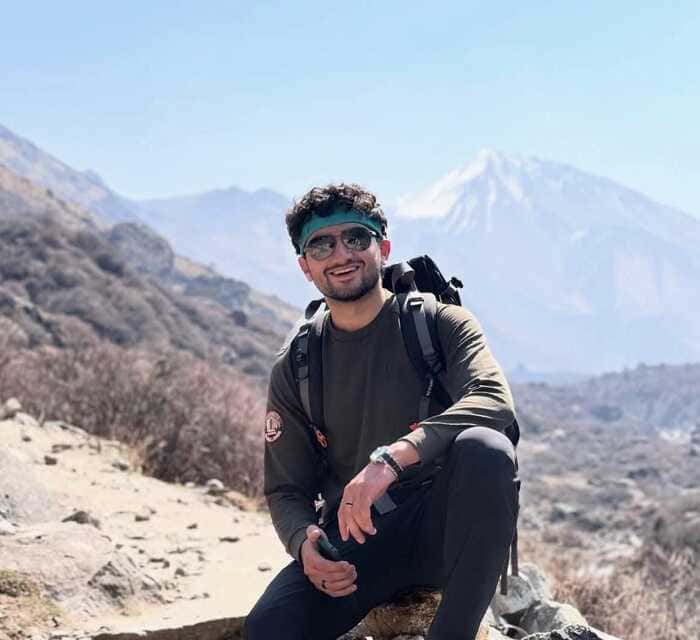
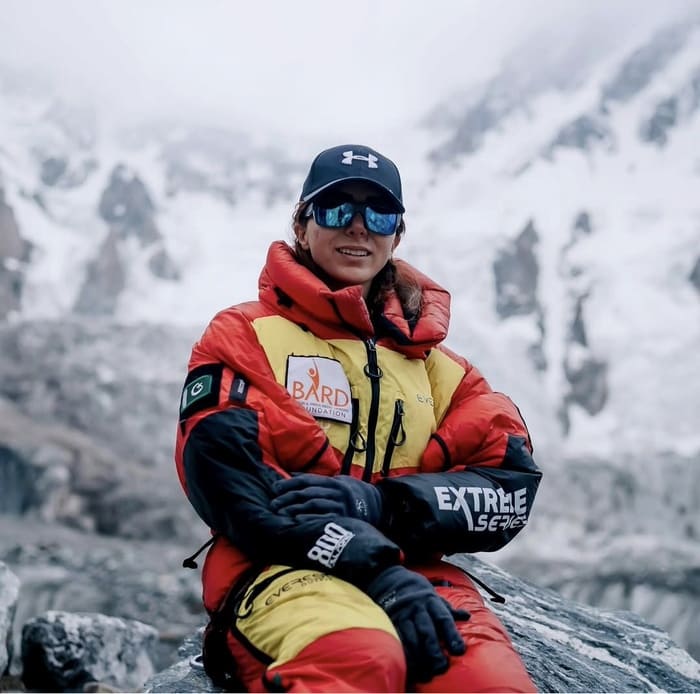
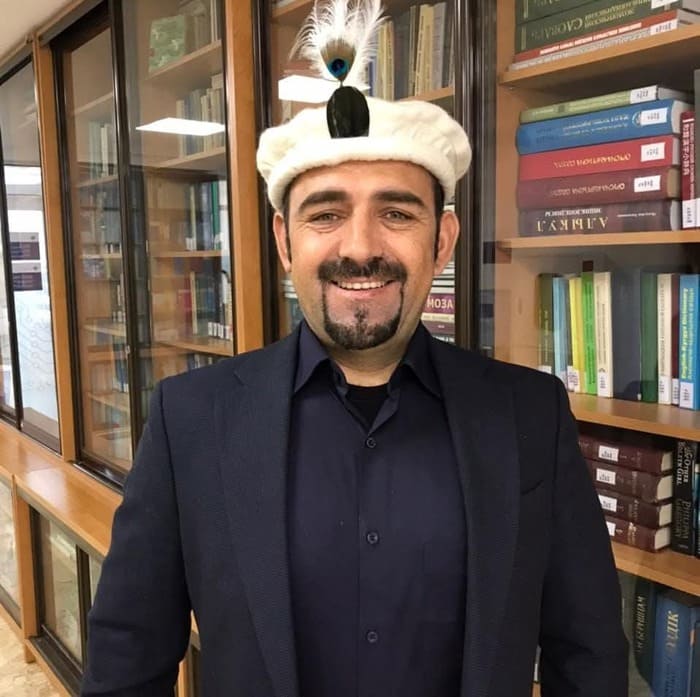
For the first time in history, Pakistani mountaineers started focusing on their own independent projects setting eyes on big goals such as 14x8000m summits, 7xSummits, etc. In 2013, Samina Baig became the first Pakistani to complete 7xSummits. She also became the first Muslim Woman to summit the highest peak on earth, Mt. Everest. Muhammad Ali Sadpara rose to fame as the winter expert when he became the first person in the world to summit Nanga Parbat in winters. Following his firstx8000m summit on Nanga Parbat in 2017, Sirbaz Khan made a big announcement that he will summit all 14x8000m peaks in the world without using supplementary oxygen. An incredible goal that he achieved in 2025 becoming only the 19th person in human history to do so. Shehroze Kashif became one of the youngest mountaineers in human history to summit all 14x8000m peaks and Naila Kiani became the first and only Pakistani woman to summit 12x8000m peaks. Abdul Joshi led the historic first ascent on Passu cones and opened many new passes and trekking routes in the snow-lake region. These extraordinary efforts have played a huge role in making a mountaineering a popular sport in Pakistan. Many young boys and girls idealise these adventure heroes and want to become the next Sirbaz, Shehroze, Ali Sadpara, Joshi, Naila Kiyani, or Samina Baig. The next chapter belongs to a generation building their own expeditions, on their own terms.

2013
Samina Baig becomes the first Pakistani to complete 7xSummits and the first Muslim Woman to summit Mt. Everest
Sadpara becomes the first Pakistani to summit an 8,000m peak in winter.
2016
Muhammad Ali Sadpara becomes the first person in the world to summit Nanga Parbat in winters.
Sadpara becomes the first Pakistani to summit an 8,000m peak in winter.
2017
Muhammad Ali Sadpara and Sirbaz Khan are part of the first team that summits Nanga Parbat in autumn. Sirbaz Khan announces Mission Summit 14.
2021
Sirbaz Khan and Abdul Joshi become the first Pakistani pair to summit Mt. Annapurna. Abdul Joshi leads the first ascent on Passu cones.
2024
Sirbaz Khan and Shehroze Kashif complete 14x8000m summits
2025
Sirbaz Khan completes 14x8000m peak without using supplementary oxygen. Only the 19th person in human history to achieve this feat.
2025
KMGA founded in Skardu — Pakistan's first democratically elected national mountain guides association.
Pioneers, Record-Setters & The Independent Generation

Mountaineers of Pakistan

Pakistan has produced some of the most extraordinary high-altitude climbers in the world. Their stories span generations, from high-altitude porters who carried foreign expeditions to the summit, to modern mountaineers setting global records entirely on their own terms..

The Pioneers

1970s — 1990s

Ashraf Aman

Pioneer · K2 First Pakistani

In 1977, Ashraf Aman became the first Pakistani to summit K2, part of a Japan-Pakistan joint expedition. He received the Presidential Award for Pride of Performance and went on to become Vice President of the Alpine Club of Pakistan.

Nazir Sabir

K2 New Route · Everest First Pakistani

Nazir Sabir became a house-hold name in the world of mountaineering especially in Japan after summiting K2 via the challenging west ridge in 1981. In 1982, Reinhold Messner invited Nazir Sabir and Col. Sher Khan to climb Gasherbrum II and Broad Peak with Messner in a single week — the fastest double 8,000m at the time. In 2000 he became the first Pakistani to summit Everest.

Little Karim

Gasherbrum II · No Oxygen · Legend

Standing just 1.58m tall, Mohammad Karim was repeatedly dismissed — until he hoisted Chris Bonington onto his shoulders to prove his strength. He set a world record on Gasherbrum II without oxygen, saved multiple lives at extreme altitude, and became more celebrated in Europe than in his own country. He passed away in 2022.

The Record Setters

1990s — 2020

Rajab Shah

First Pakistani · 5×8000m

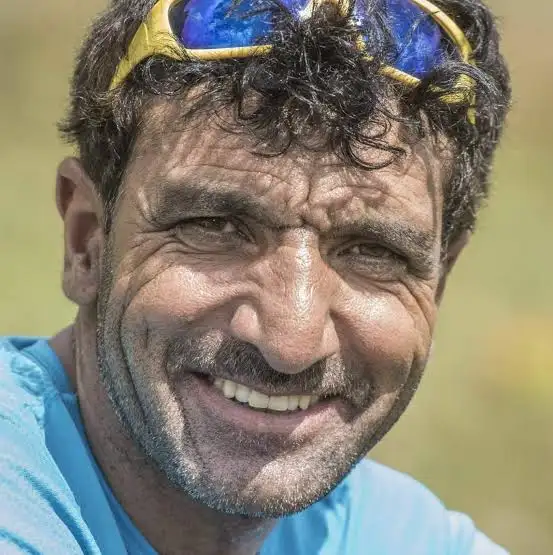
From Shimshal, Rajab Shah became the first Pakistani to summit five 8,000m peaks — marking a new threshold of ambition for Pakistani climbing. He trained a whole generation of Shimshali mountaineers many of whom went on to become world renowned mountaineers.

Hassan Sadpara

First Pakistani · 6×8000m

Hassan Sadpara extended the record further, becoming the first Pakistani to summit six 8,000m peaks and inspiring the next generation of the Sadpara family.

Muhammad Ali Sadpara

8×8000m · Winter Nanga Parbat · National Hero

Ali Sadpara completed eight 8,000m summits and earned worldwide recognition as Pakistan's winter specialist — the first person to summit Nanga Parbat in winter (2016). He was lost on K2 in February 2021 during a winter summit attempt. Pakistan mourned him as a national hero.

Ali Raza Sadpara

Most 8000m Summits (Era)

Ali Raza Sadpara accumulated the most 8,000m summit credits of his era, representing the broader Sadpara tradition of extraordinary altitude performance from a single Baltistani village.

The Independent Generation

2010 — Present

Sirbaz Khan

KMGA President · 14×8000m · No Oxygen

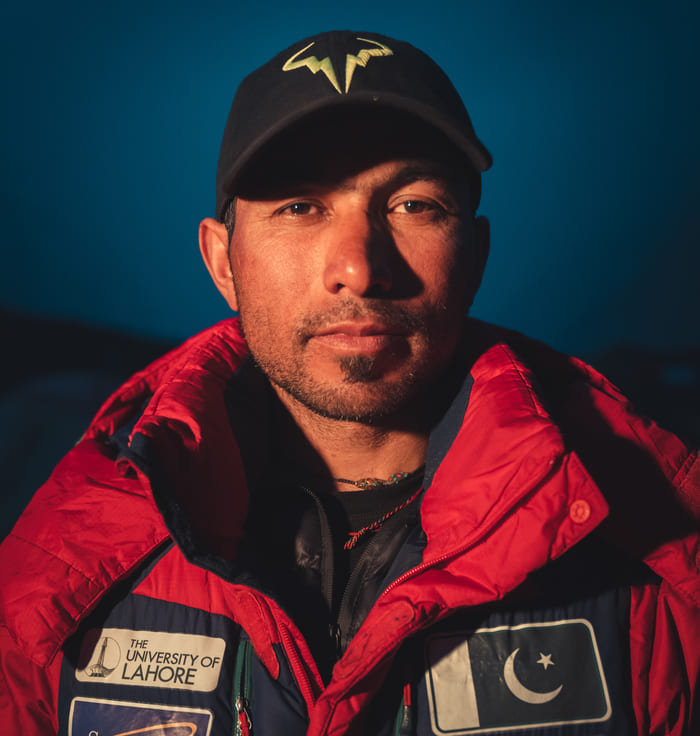
The first and only Pakistani to summit all 14 eight-thousanders without supplementary oxygen — a feat achieved by only 19 people in human history. Sirbaz Khan is now KMGA's President and a central figure in building Pakistan's guiding future.

Samina Baig

Seven Summits · First Muslim Woman, Everest

Climbing alongside her brother Mirza Ali, Samina Baig became the first Pakistani woman and first Muslim woman to summit Everest. She went on to complete the Seven Summits — the highest peaks on all seven continents.

Shehroze Kashif

The Broad Boy · 14×8000m · Youngest

Known as the Broad Boy, Shehroze Kashif became one of the youngest mountaineers in history to complete all 14 eight-thousanders — achieving this milestone before the age of 25 and earning global recognition for Pakistan's new generation.

Naila Kiani

12×8000m · Pakistani Woman Record

The first and only Pakistani woman to summit 12 eight-thousanders, Naila Kiani has become one of the most visible Pakistani mountaineers internationally, pushing the boundary for women at extreme altitude.

Mirza Ali

KMGA General Secretary · Seven Summits

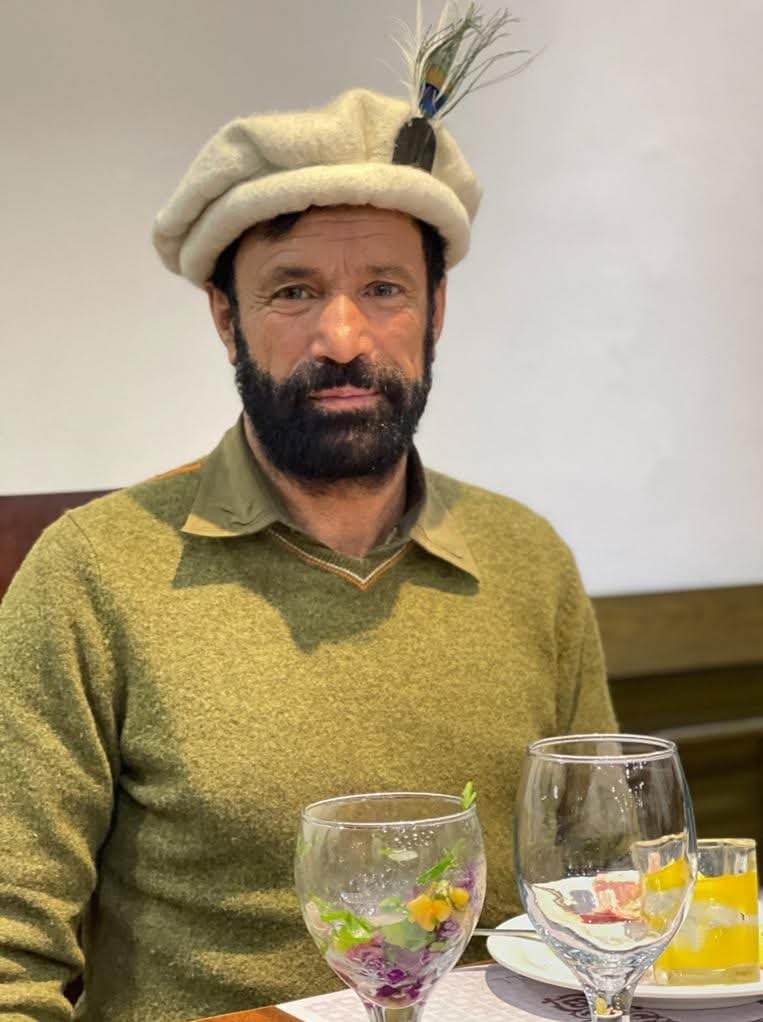
First Pakistani man to complete the Seven Summits. Mirza Ali is a mountaineer, advocate, and co-founder of the guiding model that became the foundation for KMGA. As General Secretary, he is central to Pakistan's mountain guiding future.

Abdul Joshi

Exploration · First Ascents

Led the first recorded ascent of Passu Cones and opened multiple new passes in the Snow Lake region — contributing original Pakistani mountaineering to Pakistan's own uncharted geography.

Looking Ahead

Young Pakistani mountaineers now have high ambitions and original projects. They are no longer waiting for a place on a foreign expedition — they are planning their own routes, funding their own teams, and defining what Pakistani mountaineering means to the world. The next era belongs to them.